

The challenge
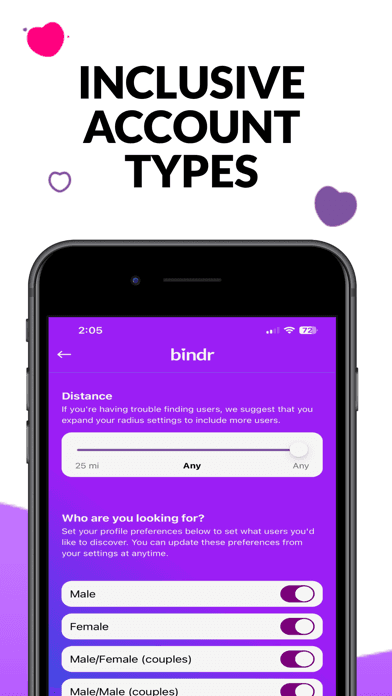
Bisexual and queer daters were being served by apps built for someone else, with matching, safety and moderation that did not fit how the community actually dates.
Our approach
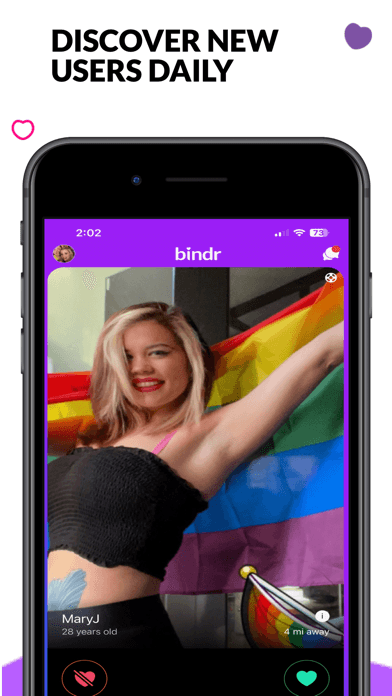
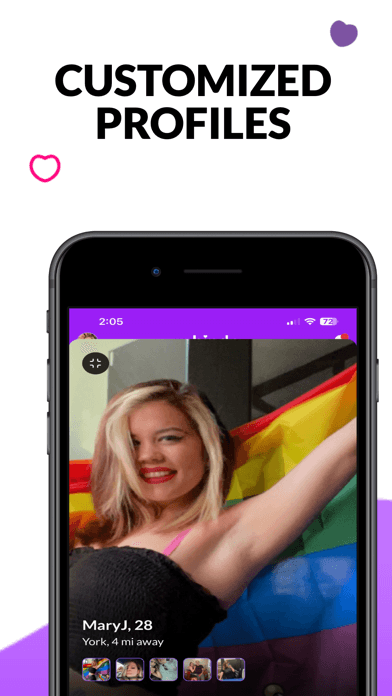
We built the product end to end: iOS, Android and web, with a matching model, moderation tooling and a growth stack designed for a two-sided consumer marketplace from day one.
What we built
- Native iOS and Android apps plus web
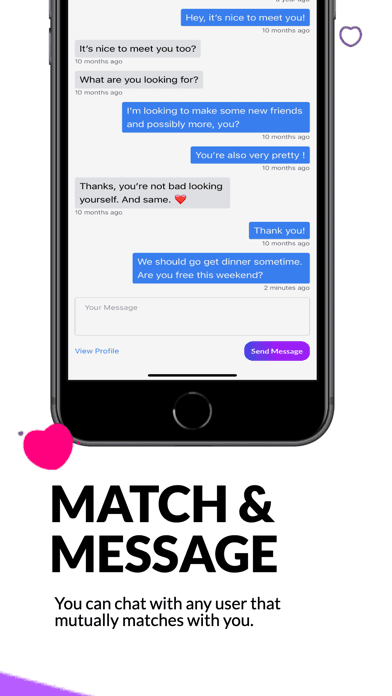
- Matching, messaging and safety systems
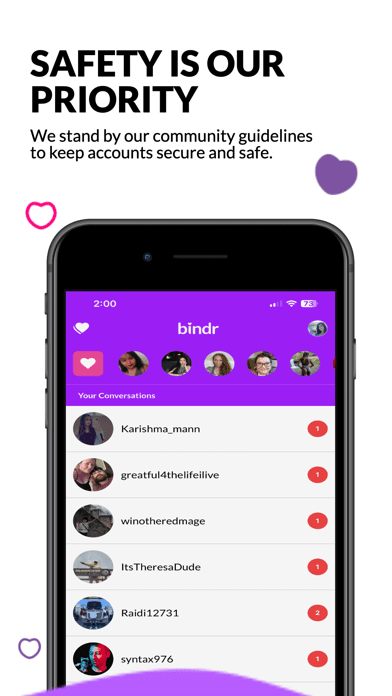
- Moderation and trust tooling
- Growth infrastructure now running on ColdStart
Results
- Over half a million users and 600K+ downloads
- Growing roughly 20,000 users a month
- Startup Battlefield 200 company
- Named a Forbes pick
Then we made it findable
A dating platform cannot rank nationally on one page. Bindr ranks town by town, in three markets, from four separate ColdStart businesses tuned to how each market actually searches.
- 324,553
- US location pages
- 14,150
- UK pages
- 4,755
- Canada pages
- 500K+
- Users on the platform
Population floor of 1,000
bindruk.com, 25 categories
Across a domain and a subdomain
One ColdStart business per market and per domain, rather than one global site trying to serve everyone. Each business carries its own category set and its own population floor, so page depth matches how much demand a market can actually absorb.
A population floor per market
The US business runs at a 1,000-person floor, which is unusually deep and only defensible because dating demand genuinely exists in small towns. The UK and Canada businesses sit near 10,000, where the population distribution is different.
A domain per market
bindruk.com and bisexualdatingcanada.com stand as their own properties rather than folders on one domain, so a market can be worked, measured and, if necessary, abandoned without touching the others.
Categories as intent, not features
The category set is written as the phrases people search, so the generated page title reads like a real query once ColdStart appends the location.
A subdomain as the control
canada.bindr.dating runs alongside the standalone Canadian domain with the full 25-category set, which makes the domain-versus-subdomain question answerable with data instead of opinion.
“Build for the people the incumbents ignore and the growth takes care of itself.”